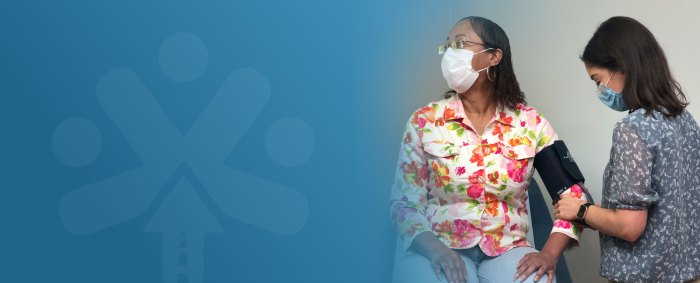
Promoting health equity is not just a goal; it’s a necessity for ensuring that everyone, regardless of their background, has access to the healthcare they need. It’s about understanding that health disparities are deeply rooted in social factors and that addressing these issues can lead to healthier communities.
In this discussion, we delve into the significance of health equity, the role of home health care, the impact of community resources, and how integrated care can bridge gaps in healthcare access. Ensuring that everyone has a fair chance at a healthy life is essential for societal progress.
Understanding Health Equity
Health equity refers to the principle of ensuring that everyone has a fair and just opportunity to be as healthy as possible. This concept is crucial in healthcare as it addresses the systemic barriers that lead to health disparities among different populations. Achieving health equity means not only addressing the medical needs of individuals but also considering the broader social factors that influence health outcomes.Social determinants of health are conditions in which people are born, live, work, and age.
These determinants include factors like socioeconomic status, education, neighborhood and physical environment, employment, and social support networks. The groups most impacted by health disparities often include low-income populations, racial and ethnic minorities, and those living in rural areas.
Social Determinants of Health
Understanding the social determinants of health is essential for fostering health equity. The key factors include:
- Income: Higher income levels typically lead to better health outcomes.
- Education: Education impacts health literacy and access to healthcare resources.
- Community Safety: Safe environments promote healthier lifestyles and reduce stress.
- Access to Healthcare: Proximity to healthcare facilities significantly influences health outcomes.
Role of Home Health Care in Promoting Health Equity

Home health care services play a vital role in improving healthcare access for underserved communities. By providing services directly within the home, these programs eliminate some of the obstacles that prevent individuals from seeking care, such as transportation issues or mobility challenges.Personalized care is a significant benefit of home health services, enhancing health outcomes by providing tailored interventions that meet individual needs.
This approach fosters better patient engagement and adherence to treatment plans, leading to improved health results.
Successful Home Health Care Programs
There are several successful home health care programs that have made strides in promoting health equity:
- Visiting Nurse Associations: These organizations provide essential medical services to patients in their homes, particularly in low-income areas.
- Community Health Workers: They serve as liaisons between healthcare providers and the community, ensuring that individuals receive necessary care.
- Telehealth Services: Many home health care providers have adapted to include telehealth, increasing access to consultations and follow-ups.
Health Blogs as a Tool for Health Equity Awareness
Health blogs serve as a powerful medium to raise awareness about health equity issues. They can educate the public on the importance of health equity, share personal stories, and highlight disparities faced by various communities. Social media plays a significant role in disseminating information about health equity. It allows bloggers and health advocates to reach wider audiences, thereby amplifying their messages and fostering community engagement.
Key Topics for Health Bloggers
To effectively promote health equity, health bloggers should cover essential topics, including:
- Health disparities and their impacts on marginalized communities.
- Success stories of health equity initiatives.
- Resources available for communities facing health inequities.
Healthcare Alliance Initiatives
Healthcare alliances focused on promoting health equity are essential for addressing disparities in access to care. These collaborations between various healthcare providers, community organizations, and public health entities aim to create a more equitable healthcare landscape.Collaboration is key in these initiatives, as it enables pooling of resources, knowledge sharing, and the development of unified strategies to tackle health disparities effectively.
Successful Alliance Programs
Examples of successful healthcare alliance programs include:
- The Health Equity Coalition: A partnership of healthcare organizations dedicated to addressing health disparities in specific populations.
- Community Health Networks: These networks bring together various stakeholders to enhance access to care and share best practices.
- Integrated Care Models: Programs that combine physical and mental health services to improve overall health outcomes.
Healthy Food Accessibility
Access to healthy food is a critical component of health equity. Food deserts—areas with limited access to affordable and nutritious food—contribute to poor health outcomes in underserved communities.Many initiatives aim to improve access to nutritious food in low-income areas, including urban farming projects and community-supported agriculture programs. These initiatives not only provide food but also educate communities about healthy eating.
Community Programs Promoting Healthy Eating
There are several community programs dedicated to enhancing food accessibility:
- Farmers’ Markets: Many communities have established farmers’ markets that accept SNAP benefits, making fresh produce more accessible.
- Community Gardens: These gardens allow residents to grow their own food, fostering community engagement and healthier eating habits.
- Nutrition Education Workshops: Programs that teach families about cooking healthy meals on a budget.
Health and Fitness Engagement
Designing health and fitness programs accessible to diverse communities is vital for promoting health equity. Programs should consider cultural differences, preferences, and barriers that marginalized groups face.Culturally relevant fitness initiatives can encourage participation and improve health outcomes. It is essential to understand the unique challenges that different communities encounter in accessing fitness activities.
Barriers to Participation
Some common barriers to participation in health and fitness activities for marginalized groups include:
- Financial constraints, limiting access to gyms and fitness programs.
- Lack of transportation to fitness facilities.
- Limited awareness of available health and fitness resources.
Health Connectors and Their Role
Health connectors are vital professionals who help bridge gaps in healthcare access. They serve as navigators for individuals seeking healthcare services and provide guidance on available resources.Their services often include helping patients understand their healthcare options, assisting with insurance applications, and connecting them to community resources that can improve their health outcomes.
Success Stories of Health Connectors
Health connectors have positively impacted community health in various ways:
- Improved health literacy among underserved populations.
- Increased enrollment in health insurance programs.
- Enhanced access to preventative care services.
Addressing Health Anxiety in Underserved Populations
Health anxiety can significantly affect individuals facing health disparities. Addressing this issue requires a multifaceted approach that includes community support and mental health resources.Resources such as counseling services, support groups, and educational workshops can help individuals cope with health anxiety. It is essential to recognize the relationship between mental health and physical health equity.
Support Systems for Health Anxiety
Several resources and support systems are available for individuals experiencing health anxiety, including:
- Community mental health services that focus on anxiety management.
- Peer support programs that connect individuals with similar experiences.
- Online resources providing information on coping strategies and mental health education.
Health and Social Care Integration
Integrating health and social care is crucial for achieving health equity. This integration allows for a comprehensive approach to address the social determinants of health that affect individuals’ well-being.Various models of integrated care have proven effective in tackling social determinants, including collaborative care frameworks that involve both health and social services working together.
Successful Integration Efforts
Successful integration efforts that improve health equity outcomes include:
- Co-located health and social services, allowing for seamless referrals and holistic care.
- Community health programs that address both medical and social needs.
- Collaborative initiatives that involve multiple sectors, including education and housing.
Careers in Health and Safety
A range of health and safety jobs contribute to promoting health equity. These roles are essential in ensuring that communities receive equitable access to health and safety resources.Professionals in health and safety require skills in risk assessment, health education, and community engagement. Their work is vital for developing initiatives that support public health and safety.
Importance of Health and Safety in Community Health Initiatives
Health and safety play a significant role in community health initiatives by:
- Preventing health hazards that disproportionately affect marginalized communities.
- Promoting safe environments that encourage healthy lifestyles.
- Educating the public on health and safety practices to reduce risks.
Health Benefits and Equity
Health benefits are essential for promoting equitable health access. They play a critical role in ensuring that underserved populations receive necessary medical care without financial burdens.Different health insurance models have varying impacts on health equity, with some providing more comprehensive coverage than others. Strategies to improve health benefit access include advocating for policies that expand coverage options for marginalized groups.
Improving Health Benefit Access
Strategies for increasing health benefit access for underserved populations encompass:
- Outreach programs that educate individuals about available health insurance options.
- Policy advocacy aimed at expanding Medicaid and other programs.
- Partnerships with local organizations to facilitate enrollment in health benefit programs.
Health Clinics as Community Resources
Health clinics serve as essential resources for providing equitable care in communities. They offer a wide range of services that promote health equity, including preventative care, treatment for chronic conditions, and mental health services.Partnerships between health clinics and local organizations can enhance service delivery, ensuring that clinics address the specific needs of their communities.
Services Offered by Community Health Clinics
Community health clinics provide various services to promote health equity:
- Primary care services that are affordable and accessible.
- Health education programs tailored to the community’s needs.
- Support services that assist individuals in navigating the healthcare system.
The Importance of Health Diagnostics
Health diagnostics are crucial for the early detection and treatment of diseases across all populations. Ensuring equitable access to these services can significantly reduce health disparities.However, marginalized communities often face barriers to accessing health diagnostics, including financial constraints and lack of nearby facilities. Initiatives aimed at improving diagnostic services can help promote equity.
Initiatives Improving Diagnostic Services
Examples of initiatives that enhance access to health diagnostics include:
- Mobile health clinics that offer diagnostic services in underserved areas.
- Subsidized testing programs that reduce costs for low-income individuals.
- Community outreach efforts to raise awareness about available diagnostic services.
Health Essentials for All
Health essentials encompass vital services and products required for achieving health equity. Ensuring that all populations have access to these essentials is fundamental for improving health outcomes.Disparities in access to essential health services and products can exacerbate existing health inequities. Strategies to increase availability in underserved areas are necessary for fostering health equity.
Strategies for Increasing Health Essentials Availability
To enhance the availability of health essentials in underserved areas, strategies include:
- Establishing partnerships with local businesses to distribute health products.
- Implementing community programs that provide health essentials at low or no cost.
- Advocating for policies that support equitable distribution of health resources.
Health Tips for Diverse Communities
Providing tailored health tips that consider cultural differences is vital for promoting health equity. These tips can help individuals make informed health choices that resonate with their cultural backgrounds.Health education plays an important role in fostering health equity, and identifying effective channels for disseminating health tips to diverse populations is crucial.
Channels for Disseminating Health Tips
Effective channels for sharing health tips with diverse communities include:
- Community workshops that engage residents in discussions about health.
- Social media platforms that reach broader audiences.
- Local radio and TV programs that can communicate health messages effectively.
Dental Care Access and Equity
Dental care is a critical aspect of overall health, and its accessibility greatly affects health equity. Many low-income populations face significant barriers to accessing dental care, which can lead to poor health outcomes.Programs aimed at improving dental care access often target underserved communities, providing necessary services and education about oral health.
Programs Improving Dental Care Access
Examples of programs that enhance access to dental care include:
- Mobile dental clinics offering services in rural and low-income areas.
- Partnerships with schools to provide dental screenings and education.
- Community health events focused on promoting oral hygiene practices.
Healthcare Systems and Disparities
Healthcare systems can either perpetuate or alleviate health disparities. Understanding the structural factors that contribute to inequities is essential for developing effective solutions.Innovative healthcare system models focused on promoting health equity can help bridge gaps and improve overall health outcomes for underserved populations.
Innovative Healthcare System Models
Some innovative models that promote health equity include:
- Accountable care organizations that prioritize patient outcomes and equity.
- Integrated service delivery models that address both health and social needs.
- Community-based participatory research initiatives that involve communities in finding solutions.
Health and Medical Insurance Challenges
Health and medical insurance significantly impact health equity. Marginalized groups often face challenges in obtaining adequate coverage, leading to disparities in health outcomes.Addressing these challenges requires comprehensive policies aimed at expanding access to health insurance for underserved populations.
Recommendations for Improving Health Insurance Coverage
To enhance health insurance coverage for underserved populations, recommendations include:
- Expanding Medicaid programs to cover more individuals.
- Increasing outreach efforts to educate communities about available insurance options.
- Advocating for policies that support affordable insurance premiums.
Advancements in Health and Medical Sciences
Advancements in health and medical sciences hold great potential for improving health equity. Inclusive research practices are necessary to ensure that all populations benefit from these advancements.Initiatives aimed at diversifying research participant demographics can help address health disparities and promote equitable access to new treatments and interventions.
Initiatives for Diversifying Research Participants
Examples of initiatives that aim to diversify research participant demographics include:
- Community engagement efforts to involve underrepresented groups in research.
- Partnerships with local organizations to facilitate participant recruitment.
- Educational programs that inform communities about the importance of research participation.
Health and Medical Education for Equity
Health and medical education is fundamental in promoting health equity. Training future healthcare providers to understand and address health disparities is essential for creating a more equitable healthcare system.Curricula that focus on health disparities and social determinants of health can prepare future professionals to advocate for their communities effectively.
Successful Programs in Health Education
Successful programs that train healthcare providers in health equity include:
- Interprofessional education initiatives that promote collaboration among disciplines.
- Community-based training programs focusing on serving diverse populations.
- Residency programs that emphasize health equity and social justice in healthcare.
Health and Beauty Shop Initiatives
Health and beauty shops can play an impactful role in promoting health equity through accessible services. These shops often serve as trusted community resources where individuals can seek health-related advice and services.Partnerships between health and beauty shops and health organizations can enhance health promotions and outreach efforts, fostering a healthier community.
Examples of Empowering Initiatives
Examples of health and beauty initiatives that empower communities include:
- Health screenings offered at beauty salons to increase access to preventative care.
- Wellness workshops that focus on self-care and healthy living.
- Collaborative events with local health organizations to provide education on health topics.
Conclusion
Ultimately, promoting health equity is a collective responsibility that involves healthcare providers, communities, and individuals working together. By understanding the barriers and implementing targeted strategies, we can create a more equitable healthcare landscape that benefits everyone. Together, we can turn the tide on health disparities and ensure that good health is a right, not a privilege.
Detailed FAQs
What is health equity?
Health equity means ensuring that everyone has a fair and just opportunity to be as healthy as possible, addressing barriers that have historically led to disparities in health outcomes.
Why is promoting health equity important?
Promoting health equity is crucial because it leads to better health outcomes for all populations, reduces healthcare costs, and fosters healthier communities.
How can individuals contribute to promoting health equity?
Individuals can advocate for policy changes, support community health initiatives, and educate themselves and others about health equity issues.
What are some examples of health equity initiatives?
Examples include community health clinics, partnerships between health organizations, and programs aimed at improving nutrition access in underserved areas.
How does social media influence health equity awareness?
Social media serves as a powerful tool to raise awareness, share information, and mobilize communities around health equity issues, making it easier to reach a broader audience.


