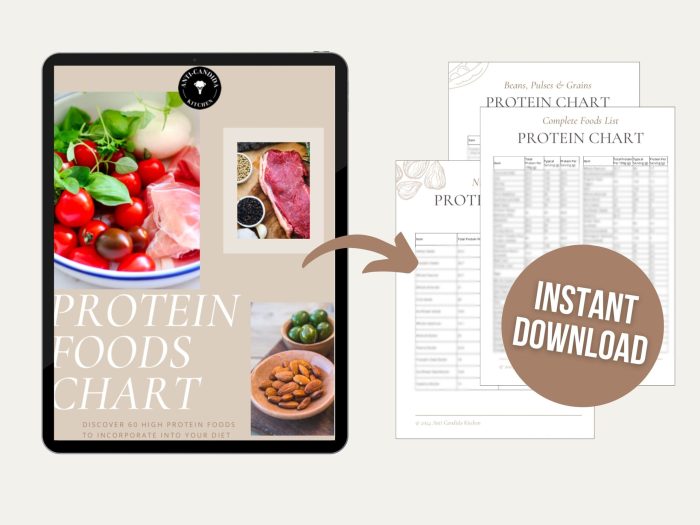
High protein foods are essential for maintaining a balanced diet and supporting overall health. They play a significant role in muscle building, weight management, and even mental well-being. This discussion will explore the diverse sources of protein, from animal-based options like chicken and fish to plant-based choices such as legumes and nuts, highlighting their benefits and nutritional values.
As we delve deeper, we’ll uncover the statistics surrounding protein intake, the role these foods play in various aspects of health, and how to incorporate them into daily meals effectively. This journey promises to be both enlightening and practical, catering to anyone interested in enhancing their dietary habits with high protein foods.
Introduction to High Protein Foods
Protein plays a crucial role in our overall health and well-being. It is an essential macronutrient that supports muscle repair, immune function, and the production of hormones and enzymes. Incorporating high protein foods into our diet is vital for maintaining a balanced nutritional intake. Various sources of high protein foods are available, ranging from animal-based options like meats and dairy to plant-based sources such as legumes and nuts.
According to the Dietary Guidelines for Americans, protein intake should account for 10% to 35% of total daily calories, emphasizing its importance in supporting overall health and wellness.
Sources of High Protein Foods
Animal-based high protein foods are often complete proteins, meaning they contain all essential amino acids our bodies need. Some popular options include:
- Chicken breast: A lean source of protein, providing about 31 grams per 100 grams.
- Fish: Varieties like salmon and tuna are rich in protein and omega-3 fatty acids.
- Eggs: A versatile protein source, with about 6 grams of protein per egg.
On the other hand, plant-based high protein foods offer excellent alternatives and can contribute to a balanced diet:
- Legumes: Beans and lentils provide about 15-25 grams of protein per cooked cup.
- Nuts: Almonds and peanuts offer around 6-7 grams of protein per ounce.
- Seeds: Chia and hemp seeds can pack up to 10 grams of protein per ounce.
In terms of protein content, the following table highlights various food sources and their protein levels:
| Food Item | Protein Content (grams per 100g) |
|---|---|
| Chicken Breast | 31 |
| Salmon | 25 |
| Eggs | 13 |
| Lentils | 9 |
| Almonds | 21 |
High Protein Foods and Health

High protein foods play a vital role in muscle building and recovery. Consuming adequate protein post-exercise helps repair muscle tissues and promotes growth. For individuals looking to manage their weight, protein-rich foods can be beneficial as they often lead to feelings of fullness, reducing overall calorie intake. Studies have shown that high protein diets may support weight management by preserving lean muscle mass during weight loss.
Impact of High Protein Diets
Research indicates that high protein diets can positively influence metabolic rates, aiding in fat loss. However, it’s important to be aware of the balance; consuming excessive protein can potentially lead to health issues such as kidney strain in susceptible individuals. High protein foods are integral to a well-rounded diet, contributing significantly to overall health and fitness goals.
High Protein Foods and Health Equity
Access to high protein foods can vary significantly across different communities, often correlating with socioeconomic status. In underserved areas, barriers such as limited availability of fresh foods, higher costs, and lack of transportation can hinder access to these essential nutrients.
Barriers to Access
Several factors contribute to the challenge of accessing high protein foods:
- Food deserts, areas with limited grocery stores, can restrict access to fresh protein sources.
- Higher prices for healthier food options make them less affordable for low-income families.
- Lack of nutrition education can lead to poor food choices in vulnerable communities.
To tackle these issues, solutions such as community gardens, mobile markets, and nutrition assistance programs can enhance access and affordability of high protein foods.
Incorporating High Protein Foods into Daily Meals
Creating balanced meals with high protein foods can be straightforward with some planning. Here’s a sample meal plan that includes high protein options for breakfast, lunch, and dinner:
- Breakfast: Scrambled eggs with spinach and whole-grain toast.
- Lunch: Grilled chicken salad with mixed greens and chickpeas.
- Dinner: Baked salmon with quinoa and steamed broccoli.
Additionally, here are some delicious recipes that feature high protein ingredients:
- Chickpea and quinoa salad with lemon vinaigrette.
- Protein-packed smoothie with Greek yogurt, berries, and spinach.
For meal prepping, consider batch-cooking proteins like grilled chicken or lentils and using them throughout the week in different dishes.
High Protein Foods for Specific Health Needs
Certain populations may require tailored high protein food options to support their unique health needs. For instance, individuals in home health care may benefit from high protein snacks like protein bars or smoothies to maintain energy levels. The elderly, athletes, and individuals with dietary restrictions all have specific protein requirements that can guide their food choices.
High Protein Options for Different Groups
The following table Artikels recommended high protein foods suitable for various health conditions:
| Group | Recommended High Protein Foods |
|---|---|
| Elderly | Greek yogurt, soft cheeses, eggs |
| Athletes | Lean meats, protein shakes, fish |
| Individuals with Dietary Restrictions | Tofu, legumes, quinoa |
Myths and Facts about High Protein Foods
Many myths surround protein intake, including misconceptions that high protein diets can harm kidney health or that they are necessary for everyone. It’s essential to debunk these myths with accurate information. While excessive protein might pose risks for certain individuals, moderate protein intake is beneficial for most people.
Understanding Protein Consumption
“A balanced intake of protein is key to achieving health goals without adverse effects.”
Nutritionally, high protein foods differ significantly from other food groups, providing essential amino acids not found in carbohydrates or fats.
High Protein Foods and Mental Health
Emerging research suggests a strong relationship between protein consumption and mental wellness. Certain amino acids found in high protein foods, such as tryptophan, are precursors to neurotransmitters that regulate mood. Incorporating these foods into one’s diet can support mental health and reduce symptoms of anxiety and depression.
Incorporation Tips for Mental Wellness
Here are some practical tips for including high protein foods in your diet to enhance mental health:
- Start your day with a high protein breakfast to stabilize blood sugar levels.
- Snack on nuts or Greek yogurt to maintain energy and focus throughout the day.
The Future of High Protein Foods
The food landscape is evolving, with emerging trends in high protein sources gaining popularity. Plant-based proteins and lab-grown meats represent the future of protein consumption, offering sustainable and ethical alternatives to traditional animal products.
Comparing Traditional and Emerging Alternatives
The following table compares traditional protein sources with new alternatives:
| Source Type | Traditional Protein Sources | Emerging Alternatives |
|---|---|---|
| Animal-Based | Beef, chicken | Lab-grown meat |
| Plant-Based | Beans, nuts | Pea protein, mycoprotein |
Emerging trends in high protein foods not only reflect changing consumer preferences but also have the potential to impact health and food systems positively in the years to come.
Closing Summary
In summary, high protein foods are not just a trend but a vital component of a nutritious diet that supports various health needs. By understanding their benefits and learning how to integrate them into our meals, we can make informed choices that promote better health and well-being. As we move forward, embracing these foods can empower us to lead healthier lives, making a positive impact on both our physical and mental health.
FAQ Resource
What are some examples of high protein foods?
High protein foods include chicken, fish, eggs, legumes, nuts, seeds, and dairy products.
How much protein do I need daily?
Generally, adults should aim for 46-56 grams of protein daily, depending on factors like age, sex, and activity level.
Can I get enough protein from a plant-based diet?
Yes, many plant-based foods like beans, lentils, tofu, and quinoa provide ample protein.
Are high protein diets safe long-term?
High protein diets can be safe for most individuals when balanced with other nutrients; however, it’s essential to consult a healthcare professional.
How do high protein foods affect muscle recovery?
High protein foods aid in muscle recovery by repairing tissues and promoting muscle synthesis after exercise.


