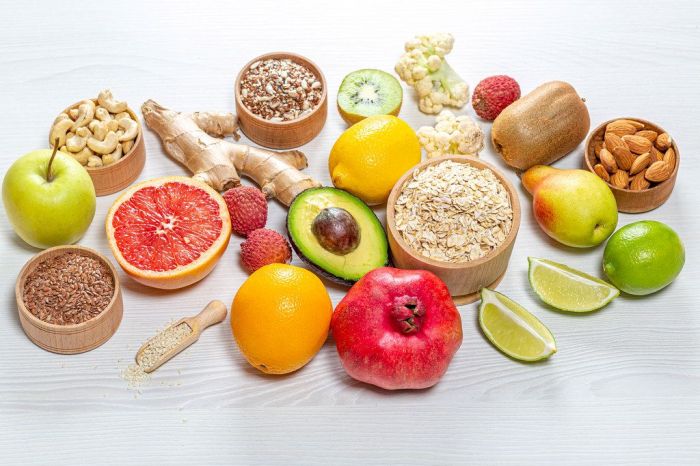
Healthy eating for fitness is not just a trend; it’s a fundamental pillar that supports an active lifestyle. Understanding the connection between nutrition and physical performance can significantly enhance your training outcomes, boost energy levels, and accelerate recovery. A well-balanced diet empowers fitness enthusiasts to reach their goals while nourishing their bodies with essential nutrients.
In this guide, we will explore the components of a healthy diet, practical meal planning tips for athletes, and effective strategies to foster healthy eating habits. We’ll also address misconceptions surrounding nutrition and fitness, providing insights that can empower you to make informed dietary choices.
Importance of Healthy Eating for Fitness
Healthy eating is a cornerstone of maintaining optimal fitness and enhancing physical performance. The relationship between nutrition and performance is profound; what we consume directly affects our energy levels, endurance, and recovery post-exercise. A balanced diet doesn’t just fuel your workouts; it also plays a critical role in how well your body can adapt and recover from physical strain.
Nutrition and Physical Performance
Nutrition is more than just fuel; it’s essential for peak performance and recovery. A well-rounded diet can significantly influence energy levels during workouts and the ability to bounce back afterward. Key nutrients, including carbohydrates for energy, proteins for muscle repair, and fats for hormone regulation, are crucial for fitness enthusiasts aiming for their best.
Key Nutrients for Fitness
To optimize performance, it’s important to focus on the following nutrients:
- Carbohydrates: These are the primary source of energy, especially during high-intensity workouts.
- Proteins: Essential for muscle repair and growth, proteins should be consumed post-exercise.
- Fats: Healthy fats support hormone production and overall health.
- Vitamins and Minerals: Micronutrients aid in various bodily functions and aid in recovery.
Components of a Healthy Diet
A healthy diet consists of various components that work together to support fitness goals. Understanding macronutrients and micronutrients and their roles is key to achieving a balanced nutritional intake.
Macronutrients and Their Role
Macronutrients—carbohydrates, proteins, and fats—are vital for energy production and bodily functions. Each plays a unique role:
- Carbohydrates: Provide energy for workouts and recovery.
- Proteins: Necessary for muscle building and repair.
- Fats: Important for sustained energy and absorption of vitamins.
Importance of Micronutrients
Micronutrients, though needed in smaller amounts, are crucial for maintaining overall health. They support immune function, bone health, and energy production. Key micronutrients include:
- Vitamin D: Essential for bone health.
- Iron: Important for oxygen transport in the body.
- Calcium: Vital for muscle contractions and bone strength.
Healthy Food Options
A variety of food options can support a balanced diet:
| Food Group | Healthy Options |
|---|---|
| Fruits | Berries, bananas, oranges |
| Vegetables | Spinach, broccoli, carrots |
| Proteins | Chicken, fish, beans |
| Grains | Quinoa, brown rice, oats |
| Dairy | Greek yogurt, almond milk |
Meal Planning for Athletes
Effective meal planning is essential for athletes looking to achieve their fitness goals. It helps ensure that nutritional needs are met while accommodating busy schedules.
Weekly Meal Plan Example
A sample weekly meal plan can serve as a guide:
- Monday: Oatmeal with fruit for breakfast, grilled chicken salad for lunch, and quinoa with vegetables for dinner.
- Tuesday: Smoothie with spinach and protein powder for breakfast, lentil soup for lunch, and salmon with sweet potatoes for dinner.
- Wednesday: Greek yogurt with nuts for breakfast, turkey wrap for lunch, and stir-fried tofu with broccoli for dinner.
Meal Prepping Tips
To manage meal prep efficiently:
- Designate a specific day for meal prep.
- Cook in bulk to save time.
- Use clear containers to store meals for easy access.
Grocery List for Healthy Eating
A focused grocery list can streamline healthy eating:
- Fresh fruits and vegetables
- Whole grains like brown rice and quinoa
- Lean proteins such as chicken, fish, and legumes
- Healthy fats from sources like avocados and nuts
Healthy Eating Strategies
Incorporating healthy eating strategies into daily life can help maintain nutritional balance and support fitness goals.
Incorporating Fruits and Vegetables
To increase fruit and vegetable intake:
- Add a piece of fruit to breakfast or snacks.
- Incorporate vegetables into smoothies.
- Make salads a regular part of meals.
Portion Control Methods
To avoid overeating, consider these portion control techniques:
- Use smaller plates to help control serving sizes.
- Measure portions when possible.
- Pay attention to hunger cues to avoid mindless eating.
Staying Hydrated
Hydration is key to overall health. To ensure adequate fluid intake:
- Drink water before, during, and after exercise.
- Keep a water bottle handy throughout the day.
- Include hydrating foods like cucumbers and watermelon in your diet.
Addressing Health Equity in Nutrition
Health equity in nutrition is vital for ensuring everyone has access to healthy foods. Socioeconomic factors can significantly impact food access.
Socioeconomic Factors and Food Access
Many communities face barriers to accessing healthy foods due to financial constraints or lack of nearby grocery stores. Initiatives must focus on providing resources for these communities.
Community Resources
Local organizations often provide support for healthy eating, including:
- Food banks with fresh produce options.
- Community gardens that encourage growing your own food.
- Nutrition education programs offered by local health departments.
Health and Fitness Myths
Myths surrounding diet and exercise can lead to misinformation, affecting personal health choices.
Common Misconceptions
Some prevalent misconceptions include:
- Carbs make you gain weight.
- Skipping meals is an effective way to lose weight.
- All fats are bad for you.
Evidence-Based Responses
Research has debunked these myths, showing that carbs are essential for energy, meal skipping may lead to overeating later, and healthy fats play crucial roles in body functions.
The Role of Healthcare in Nutrition
Healthcare professionals play a significant role in promoting healthy eating habits and personalized nutrition.
Support from Healthcare Professionals
Healthcare providers can offer guidance on dietary choices and create personalized nutrition plans tailored to individual needs.
Resources for Dietary Advice
Individuals seeking dietary advice can consult:
- Registered dietitians for tailored meal plans.
- Nutritionists for lifestyle modifications.
- Support groups focused on healthy eating.
Mental Health and Nutrition

The connection between diet and mental well-being is increasingly recognized, emphasizing the importance of nutrition for mental health.
Connection Between Diet and Mental Well-Being
A balanced diet can positively influence mood and cognitive function. Nutritional deficiencies may contribute to anxiety and depression, making it essential to maintain a healthy diet.
Strategies for Managing Health Anxiety
To manage health anxiety through nutrition:
- Focus on whole foods to nourish the body.
- Practice mindfulness eating to foster a positive relationship with food.
- Engage in cooking as a therapeutic activity.
Mood-Boosting Foods
Certain foods can enhance mood, such as:
- Fatty fish rich in omega-3 fatty acids.
- Leafy greens loaded with folate.
- Nuts and seeds for healthy fats and protein.
Health Benefits of Specific Diets
Various diets have emerged, each with its pros and cons concerning fitness goals.
Popular Diets Overview
Diets such as the Mediterranean, Paleo, and Plant-Based each offer unique benefits and challenges. Understanding these can help individuals choose what aligns with their fitness aspirations.
Effectiveness in Relation to Fitness Goals
Each diet can be effective based on personal goals, whether for weight loss, muscle gain, or overall health improvement.
Testimonials
Individuals from various backgrounds have shared their success stories related to these diets, showcasing improvements in physical performance, energy levels, and overall health.
Promoting Health and Safety in Nutrition
Ensuring safety when preparing and storing healthy foods is crucial for preventing health issues.
Safety Practices in Food Preparation
To promote food safety:
- Wash hands and surfaces frequently.
- Store foods at the correct temperatures.
- Avoid cross-contamination between raw and cooked foods.
Importance of Food Safety
Food safety plays a pivotal role in preventing foodborne illnesses, which can derail fitness progress and overall health.
Guidelines for Hygiene in Meal Preparation
Maintaining hygiene during meal prep includes:
- Using clean utensils and cutting boards.
- Regularly cleaning kitchen surfaces.
- Practicing proper food storage techniques.
Final Conclusion
In summary, adopting healthy eating habits for fitness is an ongoing journey that requires commitment and awareness. By integrating nutrition into your fitness regimen, you can enhance not only your physical performance but also your overall well-being. Remember, the choices you make today lay the foundation for a healthier tomorrow.
Key Questions Answered
What are the best foods for pre-workout?
Opt for easily digestible carbohydrates like bananas or oatmeal combined with a source of protein, such as Greek yogurt, to fuel your workout.
How much water should I drink during exercise?
Aim for 7-10 ounces of water every 10-20 minutes during exercise, adjusting based on your activity level and sweat rate.
Can I build muscle on a vegetarian diet?
Absolutely! With careful planning, you can obtain sufficient protein from sources like legumes, tofu, quinoa, and dairy products.
Is it necessary to take supplements for fitness?
While whole foods should be the primary source of nutrients, supplements can help fill gaps if you’re unable to meet your needs through diet alone, but consult a healthcare professional first.
How can I maintain healthy eating on a budget?
Focus on buying seasonal produce, planning meals ahead, and preparing food in batches to save money while eating healthily.


